
Must-Have Kitchen Gadgets: What’s Worth Buying in 2026
458 views
A cluttered kitchen usually starts with good intentions.
You buy a trendy slicer because a video made it look effortless. Six months later it's buried behind a waffle maker you used twice. Sound familiar? Most kitchens don't suffer from a lack of gadgets—they suffer from too many gadgets that solve problems you barely have.
After testing dozens of everyday kitchen tools over the past few years, one pattern keeps repeating itself. The gadgets that earn permanent counter space aren't always the newest or the most expensive. They're the ones that quietly save time every single week.
Here's what's genuinely worth buying in 2026—and what you can safely skip.
The New Rule for Buying Kitchen Gadgets
A gadget should pass one simple test.
Will it replace at least two existing tools, or will it save enough time that you'll actually use it every week?
Manufacturers release hundreds of new kitchen products every year. Many promise restaurant-quality cooking with almost no effort. Reality is less exciting. Extra parts need washing. Accessories disappear into drawers. Mobile apps stop receiving updates after a year.
The smartest purchases solve repetitive problems rather than creating new routines.
Air Fryers Have Matured—And They're Still Worth It
Air fryers aren't new anymore. They've simply become better.
Models released in 2025 and 2026 commonly include:
Dual cooking baskets
Independent temperature zones
Sync finish functions
Windows with interior lighting
Temperature ranges between 40°C and 240°C on premium models
Brands such as Ninja, Philips, Cosori, and Instant have refined airflow systems instead of simply increasing wattage. A typical family-sized unit uses around 1,500 to 2,000 watts while cooking, but because meals finish much faster than a conventional oven, total energy consumption is often lower for smaller portions.
One lesson surprised me.
Large baskets sound appealing until cleanup begins. If you mostly cook for one or two people, a compact 4- to 6-liter model often gets used more frequently than an oversized version.
A Digital Food Thermometer Changes Everything
People spend hundreds on cookware.
Then they guess whether chicken is cooked.
That never made sense.
An instant-read digital thermometer provides more consistent results than almost any expensive appliance. Modern models typically respond in two to four seconds and measure temperatures between approximately -50°C and 300°C.
Instead of cutting into meat and losing juices, simply check the internal temperature.
A few common targets:
Food | Safe Internal Temperature |
|---|---|
Chicken | 74°C (165°F) |
Ground beef | 71°C (160°F) |
Pork | 63°C (145°F) with rest time |
Fish | 63°C (145°F) |
These recommendations align with food safety guidance published by health authorities in several countries.
Small tool. Huge difference.
Smart Kitchen Scales Aren't Just for Bakers
Kitchen scales used to serve one audience.
Bread enthusiasts.
Not anymore.
Modern digital scales now measure in grams, ounces, milliliters and pounds while supporting capacities around 5 to 10 kilograms with 1-gram precision. Some premium models connect via Bluetooth to nutrition apps, although many cooks eventually stop using that feature.
The basic weighing function remains the real value.
Recipes become repeatable. Coffee ratios improve. Portion sizes stay consistent. Even meal prep becomes less frustrating because you're no longer estimating.
Electric Pressure Cookers Keep Getting Better
Multi-cookers have quietly become kitchen workhorses.
Current models typically combine:
Pressure cooking
Slow cooking
Rice cooking
Yogurt fermentation
Steaming
Sous vide on selected models
The stainless-steel inner pot deserves attention. Earlier non-stick coatings wore down over time, especially with daily use. Stainless inserts tolerate metal utensils better and generally last much longer.
One annoyance remains.
Silicone sealing rings absorb strong smells. If you regularly cook curry, chili, and desserts, buying a second sealing ring is surprisingly worthwhile.
High-Speed Blenders Are Finally Living Up to Their Price
A weak blender struggles with frozen fruit.
A powerful one simply doesn't care.
Premium machines now routinely exceed 1,200 watts, with some reaching over 2,000 watts. Blade speed matters more than advertised wattage alone, but the difference becomes obvious after a few smoothies.
Ice disappears.
Nut butter actually becomes smooth.
Soup can heat through friction alone in some high-speed models.
Don't overspend if your routine is occasional milkshakes. Daily smoothie drinkers, however, will notice the upgrade almost immediately.
Vacuum Sealers Reduce More Than Food Waste
Freezer burn ruins expensive ingredients.
Vacuum sealing dramatically slows that process by removing most surrounding air before freezing.
Modern countertop sealers support both dry and moist food modes, pulse sealing for delicate ingredients, and external vacuum ports for compatible storage containers.
A practical example.
Buying chicken in bulk often reduces the price per kilogram. Divide it into meal-sized portions, vacuum seal each packet, label the date, and freeze. Weeks later, the texture remains noticeably better compared with ordinary freezer bags.
The savings add up over time.
Electric Kettles With Variable Temperature
Not every drink needs boiling water.
Green tea often tastes bitter above roughly 80°C.
Coffee brewed with certain manual methods usually benefits from water between 90°C and 96°C.
Variable-temperature kettles let you choose specific settings instead of simply boiling everything to 100°C.
Many newer models also include:
Keep-warm modes lasting 30–60 minutes
Digital displays
Gooseneck spouts for pour-over coffee
Automatic shutoff protection
It seems like a luxury until you start making coffee every morning.
Cordless Stick Vacuums... Wait, Wrong Gadget
Funny story.
I once watched someone recommend a cordless vacuum in a kitchen gadget roundup because it cleaned flour spills.
Technically true.
Still not a kitchen gadget.
That's become common online. Product lists increasingly chase affiliate commissions instead of solving cooking problems. Staying focused on actual food preparation helps separate genuinely useful tools from random household electronics.
Don't Ignore Simple Hand Tools
Expensive technology attracts attention.
Simple tools often outperform it.
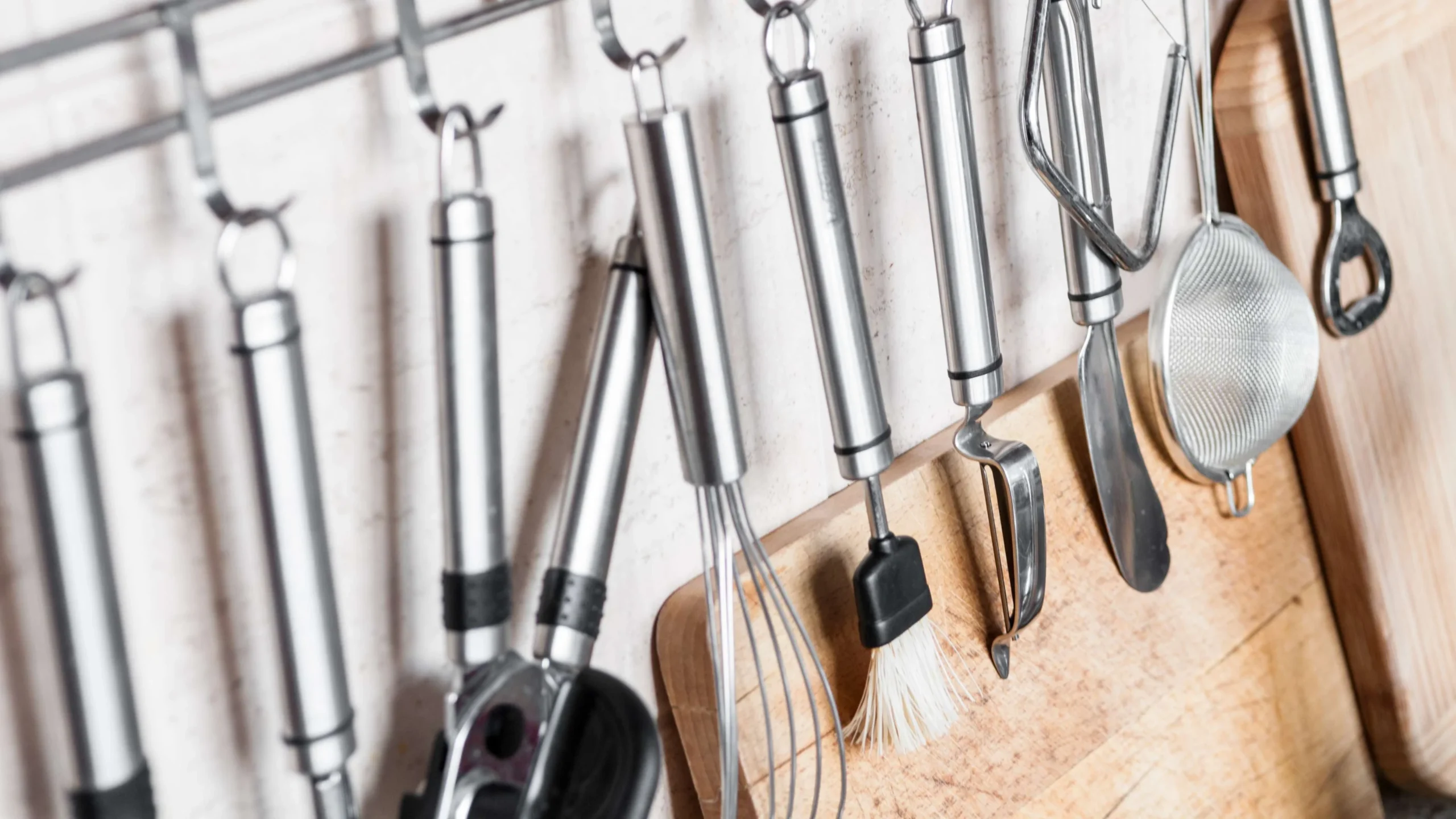
A few examples deserve permanent space in almost every kitchen:
Stainless steel microplane grater
Adjustable Y-peeler
Heavy-duty kitchen shears
Silicone spatula rated above 250°C
Fine-mesh strainer
None require firmware updates.
None need charging.
All get used constantly.
Smart Gadgets: Helpful or Just Another App?
Wi-Fi has entered the kitchen.
Some appliances now integrate with platforms like Amazon Alexa or Google Home, allowing remote monitoring, cooking notifications, firmware updates, and downloadable cooking programs.
Reality feels mixed.
Receiving a phone notification that dinner is ready is convenient.
Needing an account just to change appliance settings? Less appealing.
Several manufacturers now require companion apps for advanced features. Before buying, check whether essential cooking functions remain available directly on the appliance. That's an easy detail to overlook until your home internet goes down or app support eventually ends.
Skip These Unless You Truly Need Them
Not every trending gadget deserves your money.
Usually Worth Skipping | Why |
|---|---|
Electric egg cookers | A saucepan already works well. |
Single-purpose avocado tools | A knife handles the job. |
Automatic pan stirrers | Limited usefulness for most recipes. |
Banana slicers | Rarely faster than a regular knife. |
Smart refrigerators for most households | High price with relatively modest everyday benefits. |
Buying fewer, better tools usually leads to a more enjoyable kitchen than filling every drawer with specialized gadgets.
How to Choose Before Spending Money
Ignore flashy advertisements for a moment.
Ask yourself three questions.
Will I realistically use this every week?
Does it replace several existing tools?
Are replacement parts—filters, blades, seals or accessories—easy to buy?
That last point gets overlooked surprisingly often. A fantastic gadget becomes frustrating if replacement components disappear after two years.
Frequently Asked Questions
Are expensive kitchen gadgets always better?
Not necessarily. Premium models often offer stronger motors, better materials, and longer warranties, but many mid-range products provide nearly identical cooking performance for everyday use.
What's the single best gadget for beginners?
An air fryer remains one of the best starting purchases because it handles vegetables, chicken, frozen foods, and reheating leftovers with very little learning curve.
Do smart kitchen appliances require Wi-Fi?
Many work perfectly without internet for basic cooking. Features such as recipe downloads, remote monitoring, firmware updates, and voice assistants typically require Wi-Fi and a companion app.
How long should quality kitchen gadgets last?
Well-built appliances from reputable manufacturers commonly last five to ten years with regular maintenance. Stainless-steel components generally outlast plastic alternatives, especially in high-use kitchens.
Should I wait for sales?
Usually, yes. Major shopping events and seasonal promotions often reduce prices on popular kitchen appliances by 20–40%, making patience worthwhile if you don't need the gadget immediately.
Buy Less. Cook More.
Kitchen trends will keep changing. Another viral gadget will appear next month, promising to replace five appliances and revolutionize dinner.
Most won't.
Instead of chasing every new release, invest in a handful of dependable tools that solve real problems, survive years of regular use, and make cooking feel just a little easier every time you step into the kitchen. That's still the smartest upgrade you can make in 2026.
kitchen gadgets 2026
best kitchen tools
smart kitchen gadgets
must-have kitchen gadgets
cooking gadgets
modern kitchen essentials
kitchen appliance trends
useful kitchen tools
home cooking gadgets
kitchen upgrades 2026
Found this helpful? Share it!