
Vanilla Extract vs Vanilla Bean Paste: Which Should You Buy?
86 views
A recipe calls for vanilla, and suddenly you're standing in the baking aisle wondering whether to reach for vanilla extract or vanilla bean paste. They look similar on the shelf, but they aren't exactly the same—and choosing the right one can make a noticeable difference in flavor, appearance, and cost.
The good news is that neither option is universally better. Each has strengths that suit different recipes and budgets. This guide explains how they compare, when to use each one, and how to decide which deserves a place in your pantry.
What Is Vanilla Extract?
Vanilla extract is made by soaking cured vanilla beans in a mixture of alcohol and water, allowing the flavor and aroma compounds to dissolve into the liquid. In the United States, products labeled pure vanilla extract must meet specific standards, including a minimum alcohol content of 35% and a defined amount of vanilla derived from the beans.
Because it's a liquid, vanilla extract blends easily into cake batters, cookie doughs, frostings, sauces, and beverages. It's the pantry staple most home bakers use every day.
What Is Vanilla Bean Paste?
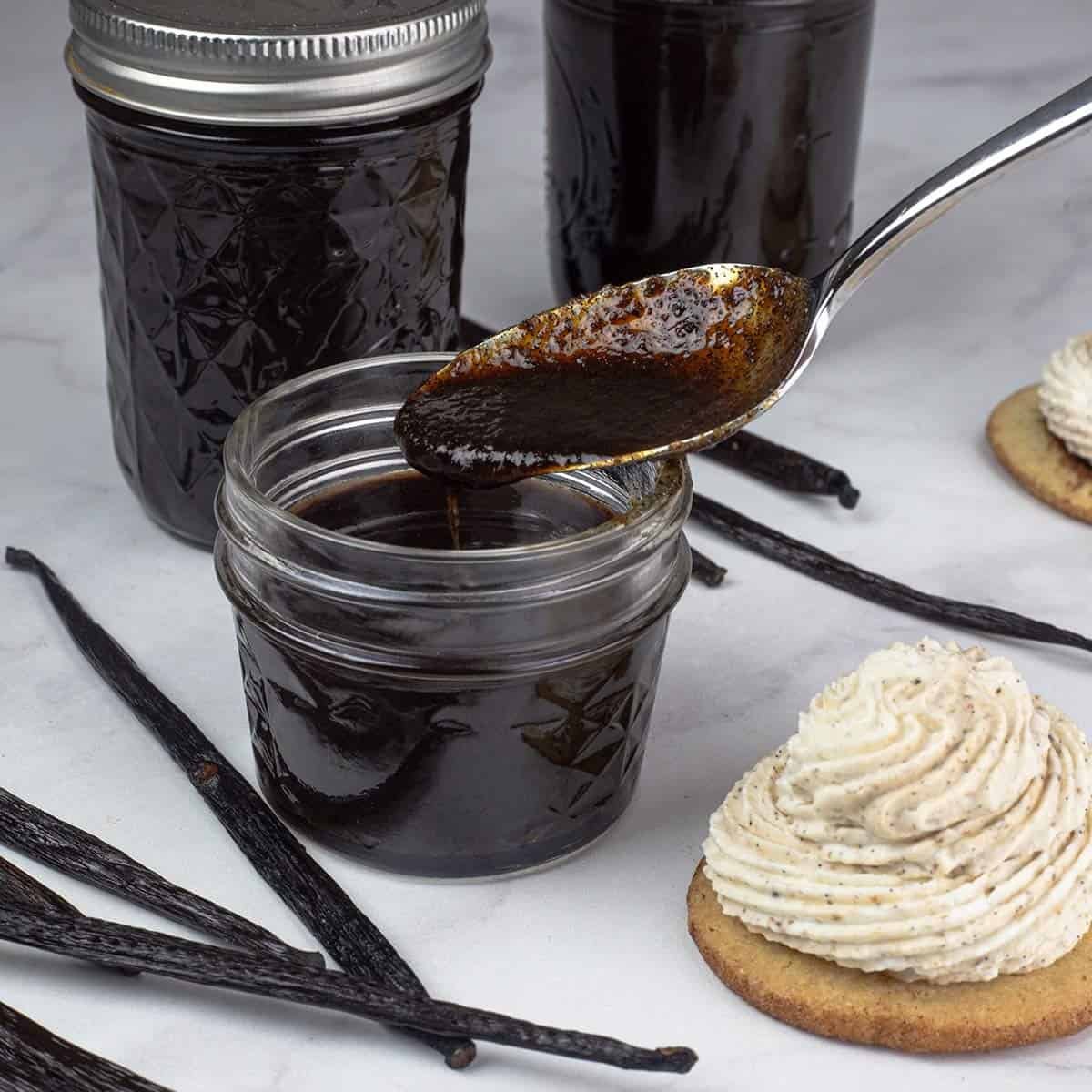
Vanilla bean paste is a thick, syrup-like mixture made from vanilla extract combined with concentrated vanilla and real vanilla bean seeds suspended in a sweetener or thickening agent.
Unlike extract, the paste contains visible black vanilla specks, giving desserts the appearance of being made with scraped vanilla beans. Many brands formulate it so it can be substituted for vanilla extract in equal amounts, although ingredients vary slightly by manufacturer.
Vanilla Extract vs. Vanilla Bean Paste at a Glance
Feature | Vanilla Extract | Vanilla Bean Paste |
|---|---|---|
Texture | Thin liquid | Thick, syrup-like |
Appearance | Clear brown | Dark with visible vanilla seeds |
Flavor | Classic vanilla | Rich vanilla with bean specks |
Best for | Everyday baking | Premium desserts and uncooked recipes |
Cost | Usually less expensive | Usually more expensive |
Visual appeal | None | Attractive vanilla flecks |
Typical substitution | 1:1 with paste | 1:1 with extract (check label) |
How Do They Taste?
This surprises many bakers: the flavor difference is often smaller than expected.
Both products come from real vanilla beans, so they share the familiar warm, sweet aroma associated with vanilla. In baked goods cooked at high temperatures, many of the subtle flavor differences become less noticeable.
Vanilla bean paste tends to have:
A slightly richer vanilla presence
More concentrated aroma in some brands
Real vanilla seeds that provide both texture and visual appeal
Vanilla extract offers:
Clean, balanced vanilla flavor
Excellent consistency between recipes
Easy mixing into almost any batter or liquid
For chocolate cakes, brownies, or heavily spiced desserts, most people won't notice a dramatic difference. For vanilla-forward recipes, the paste often stands out more.
When Vanilla Bean Paste Makes the Biggest Difference
Vanilla bean paste shines when vanilla is one of the main flavors rather than a background ingredient.
Great choices include:
Vanilla ice cream
Vanilla pudding
Cheesecake
Crème brûlée
Custards
Buttercream frosting
Whipped cream
Panna cotta
Sugar cookies
Vanilla cupcakes
The tiny vanilla seeds create an elegant appearance that many people associate with premium desserts.
If you're serving guests or preparing a special occasion dessert, vanilla bean paste can provide that extra touch without buying whole vanilla beans.
When Vanilla Extract Is the Better Choice
Pure vanilla extract remains the most practical option for everyday baking.
It's ideal for:
Chocolate cakes
Brownies
Muffins
Pancakes
Waffles
Banana bread
Quick breads
Oatmeal cookies
Smoothies
Coffee drinks
Since these recipes either contain many competing flavors or undergo longer baking times, the subtle visual and flavor advantages of vanilla bean paste may not justify the extra cost.
Is Vanilla Bean Paste Worth the Higher Price?
That depends on how often you bake and what you enjoy making.
Vanilla is one of the world's most labor-intensive spices because each orchid flower must typically be pollinated by hand, and the beans require months of careful curing. These production challenges contribute to the cost of both vanilla extract and vanilla bean paste.
You may find vanilla bean paste worthwhile if you:
Frequently bake vanilla-focused desserts
Like bakery-style presentation
Want an alternative to purchasing whole vanilla beans
Enjoy making homemade ice cream or frostings
Pure vanilla extract is usually the better value if you:
Bake regularly
Use vanilla in many different recipes
Want a versatile ingredient
Prefer spending less without sacrificing quality
Many experienced bakers keep both products on hand and choose based on the recipe.
Can You Substitute One for the Other?
In most cases, yes.
Many manufacturers recommend a simple 1:1 substitution between vanilla extract and vanilla bean paste. One teaspoon of paste can generally replace one teaspoon of extract.
Still, it's worth checking the product label because some concentrated pastes may provide their own guidance.
Whole vanilla beans can also be replaced in many recipes using vanilla bean paste, making it a convenient option when you want the look of real vanilla seeds without scraping a pod.
What Should You Look for When Buying?
Not every vanilla product is created equal.
When shopping, consider these points:
Choose Pure Vanilla
Look for labels that clearly state pure vanilla extract if that's what you want. Regulatory standards define what qualifies as pure vanilla extract, while products labeled as vanilla flavoring or imitation vanilla follow different formulations.
Read the Ingredient List
Quality vanilla bean paste typically includes:
Vanilla extract
Vanilla bean seeds
Sweetener or syrup
Natural thickener
The exact ingredients vary among brands.
Consider How You'll Use It
Ask yourself:
Mostly baking? Choose extract.
Decorating desserts? Choose paste.
Making homemade ice cream? Paste is often worth it.
Baking every weekend? Extract offers better value.
Buy the Right Bottle Size
Vanilla has a long shelf life when stored properly, but purchasing a huge bottle only makes sense if you'll actually use it.
Storage Tips
Proper storage helps preserve vanilla's flavor for a long time.
Keep both vanilla extract and vanilla bean paste:
In a cool, dark cupboard
Away from direct sunlight
Tightly sealed after each use
Away from excessive heat
Avoid storing them in the refrigerator unless the manufacturer specifically recommends it, as cold temperatures may affect consistency.
Common Mistakes to Avoid
A few simple mistakes can reduce the quality of your baking.
Assuming Paste Always Has Stronger Flavor
Some brands are more concentrated than others. The biggest difference is often appearance rather than dramatic flavor intensity.
Using Expensive Paste in Every Recipe
Rich chocolate cakes or heavily spiced cookies may hide many of vanilla's subtle characteristics.
Ignoring Product Labels
Different brands may recommend slightly different substitution ratios or storage instructions.
Confusing Pure and Imitation Vanilla
Imitation vanilla has its place in some recipes, but it isn't the same product as pure vanilla extract or vanilla bean paste. Ingredient labels help you understand exactly what you're buying.
Which One Should You Buy?
For most home kitchens, pure vanilla extract should be the first purchase.
It's versatile, dependable, and works beautifully in nearly every baking recipe.
Add vanilla bean paste if you frequently make desserts where vanilla takes center stage or you want the attractive appearance of real vanilla bean specks without purchasing whole vanilla pods.
Many enthusiastic bakers eventually keep both:
Extract for everyday recipes.
Paste for special desserts and recipes where vanilla is the star.
That combination provides flexibility without overspending.
Frequently Asked Questions
Is vanilla bean paste stronger than vanilla extract?
Not always. Some brands are slightly more concentrated, but many are designed to be used in equal amounts. The most noticeable difference is usually the presence of real vanilla seeds.
Can I replace vanilla extract with vanilla bean paste?
Yes. In most recipes, you can substitute vanilla bean paste for pure vanilla extract using a 1:1 ratio, though checking the manufacturer's instructions is always a good idea.
Why does vanilla bean paste have black specks?
Those specks are real vanilla bean seeds. They add visual appeal and signal the use of genuine vanilla rather than artificial coloring.
Which is better for cookies?
Pure vanilla extract is an excellent choice for most cookies. If you're making simple vanilla sugar cookies where appearance matters, vanilla bean paste adds attractive flecks and a slightly richer presentation.
Does vanilla bean paste contain alcohol?
Many vanilla bean pastes are made using vanilla extract, so they may contain some alcohol, although formulations differ by brand. Check the ingredient label if this matters for your recipe or dietary preferences.
Do I need both vanilla extract and vanilla bean paste?
Not necessarily. If you bake occasionally, pure vanilla extract is enough. If you enjoy making premium desserts, ice creams, custards, or elegant frostings, adding vanilla bean paste gives you another useful option without requiring whole vanilla beans.
vanilla extract
vanilla bean paste
baking ingredients
vanilla guide
dessert baking
comparison
Found this helpful? Share it!