
What is Gochujang? Uses, Taste & Recipes
349 views
You followed the recipe exactly. The chicken looked right, the vegetables were fresh, and yet dinner tasted... flat. That missing depth often comes down to one ingredient: gochujang.
This thick Korean chili paste isn't simply "spicy sauce." It brings heat, sweetness, saltiness, and an unmistakable fermented richness that ordinary hot sauces can't replicate. The first time I cooked with it, I made the classic mistake—adding far too much. A tablespoon looked harmless. It wasn't. Fermented chili paste becomes surprisingly concentrated once heated, and a little can completely transform a dish.
Today, you'll find gochujang everywhere from Korean barbecue restaurants to supermarket shelves alongside sriracha and miso. There's a reason for that. It's remarkably versatile and lasts for months in the refrigerator after opening.
So, what exactly is gochujang?
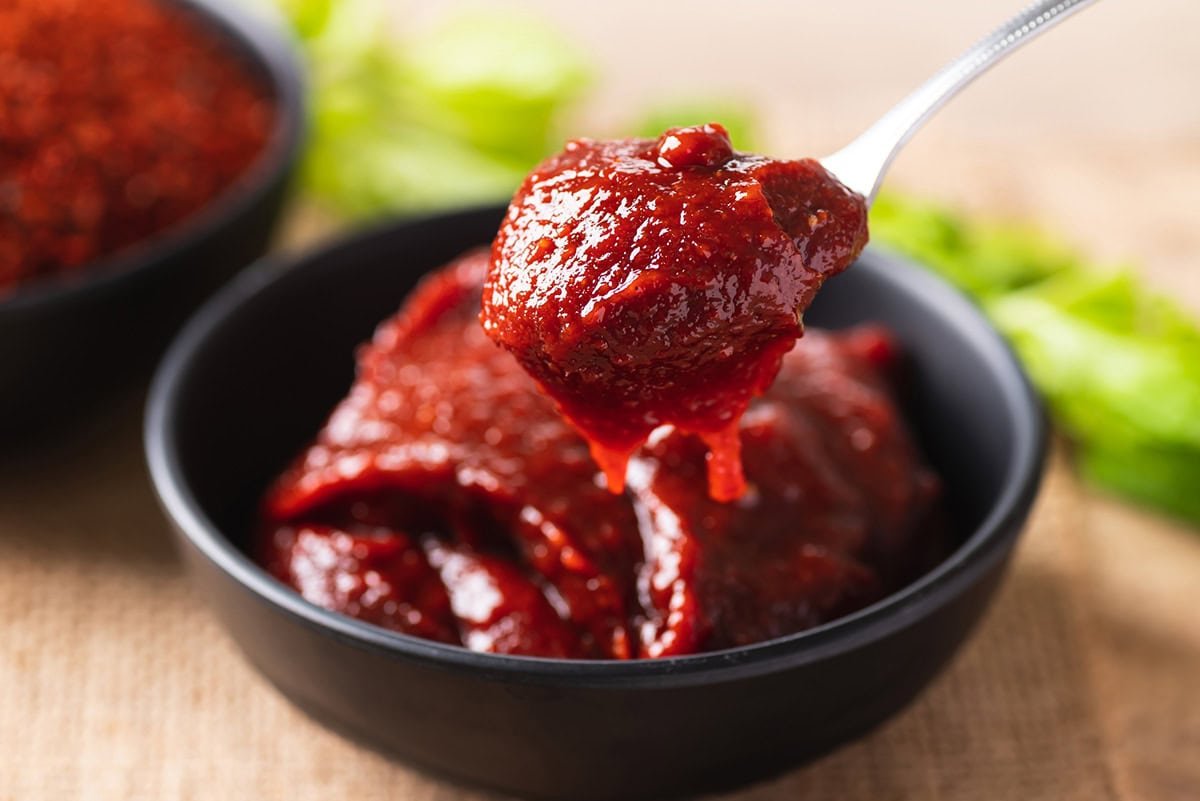
Gochujang (고추장) is a fermented Korean chili paste traditionally made from four primary ingredients:
Gochugaru (Korean red chili flakes)
Glutinous rice
Fermented soybean powder (meju)
Salt
Unlike hot sauces that rely mainly on vinegar and peppers, gochujang develops its flavor through fermentation. Traditional producers age the paste inside earthenware jars called onggi for months or even years. During this time, naturally occurring microbes slowly build complex savory compounds that create its signature umami flavor.
Commercial manufacturers speed up production using carefully controlled fermentation facilities while maintaining food safety standards and consistent flavor profiles. Brands such as Chung Jung One (Sunchang), CJ Haechandle, and Assi dominate many international grocery stores.
The result? A thick, glossy paste that's spicy without being overwhelmingly fiery.
What does gochujang taste like?
Calling it "spicy" doesn't really explain it.
A spoonful delivers flavor in layers.
First comes mild sweetness from the rice. Next, savory fermented notes begin to appear. Then the chili warmth builds gradually rather than hitting all at once. Finally, a subtle salty finish lingers on the palate.
That balance makes gochujang different from:
Ingredient | Heat | Sweetness | Fermented Flavor | Texture |
|---|---|---|---|---|
Gochujang | Medium | Medium | Strong | Thick paste |
Sriracha | Medium | High | None | Thin sauce |
Sambal Oelek | Medium-High | Low | None | Chunky paste |
Harissa | Medium-High | Low | Minimal | Thick paste |
Tomato Paste | None | Mild | None | Thick paste |
Miso Paste | None | Mild | Very Strong | Thick paste |
One surprise for many first-time cooks is that gochujang isn't as spicy as its deep red color suggests. Most varieties sit somewhere between 1,000 and 10,000 Scoville Heat Units depending on the manufacturer, making them noticeably milder than habanero sauces but richer than many standard chili pastes.
Why fermentation matters
Here's where things get interesting.
Fermentation isn't just a traditional technique—it changes the chemistry of the ingredients.
Proteins from fermented soybeans gradually break down into amino acids, including glutamate, the compound largely responsible for umami. Meanwhile, starches from glutinous rice become simpler sugars that soften the chili's sharp edges.
That's why gochujang tastes rounded instead of harsh.
If you've ever compared freshly chopped chilies with a spoonful of gochujang, the difference is obvious. Fresh peppers mainly provide heat. Gochujang delivers heat wrapped inside sweetness, savoriness, and aroma.
Popular dishes that use gochujang
Traditional Korean cuisine uses gochujang in countless ways.
Some classics include:
Bibimbap – Mixed rice topped with vegetables, beef, egg, and a spoonful of gochujang.
Tteokbokki – Chewy rice cakes simmered in a spicy-sweet sauce.
Dakgalbi – Stir-fried chicken coated in a gochujang-based marinade.
Kimchi stew (Kimchi Jjigae) – Often enriched with a small amount of gochujang for extra depth.
Bulgogi marinades – Certain spicy versions rely heavily on it.
Outside Korea, chefs have become far more adventurous.
I've seen it mixed into burger sauces, whisked into Caesar dressing, brushed onto roasted vegetables, folded into mayonnaise, stirred into chili, and even used in caramel for desserts. Some combinations sound odd on paper but work surprisingly well.
Simple ways to cook with gochujang
You don't need Korean recipes to use it.
Start small.
Stir it into sauces
Half a tablespoon can transform:
Barbecue sauce
Ranch dressing
Ketchup
Honey mustard
Garlic butter
The paste dissolves more easily if mixed with a little warm water first.
Build quick marinades
Try this ratio:
2 tablespoons gochujang
1 tablespoon soy sauce
1 tablespoon sesame oil
1 tablespoon honey
2 minced garlic cloves
That mixture works beautifully with chicken thighs, salmon, tofu, mushrooms, or pork shoulder.
Upgrade soups
A teaspoon added near the beginning of cooking deepens broths without making them overwhelmingly spicy.
Ramen benefits immediately.
So do vegetable soups.
Easy gochujang recipes to try
1. Five-minute spicy mayo
Mix:
2 tablespoons mayonnaise
1 teaspoon gochujang
1 teaspoon lime juice
Pinch of sugar
Use it on burgers, fries, sandwiches, tacos, or sushi bowls.
2. Gochujang roasted vegetables
Toss broccoli, cauliflower, carrots, or Brussels sprouts with:
1 tablespoon gochujang
2 tablespoons olive oil
1 tablespoon maple syrup
Salt
Roast at 425°F (220°C) for about 25 minutes until caramelized.
3. Sticky gochujang chicken
Combine:
3 tablespoons gochujang
2 tablespoons soy sauce
2 tablespoons honey
1 tablespoon rice vinegar
Garlic
Ginger
Bake or grill chicken until it reaches an internal temperature of 165°F (74°C). Brush on another thin layer during the final few minutes for extra shine.
Buying gochujang without getting confused
Supermarket shelves can be surprisingly overwhelming.
Some tubs advertise "mild." Others say "hot," "extra hot," or "traditional." Packaging colors aren't standardized across brands, so red lids don't necessarily mean extra heat.
Here's what I usually check:
Ingredient list should begin with red pepper powder, rice, fermented soybeans, and salt.
Avoid products loaded with excessive corn syrup if you prefer traditional flavor.
Plastic tubs are perfectly normal; they're designed to preserve moisture after opening.
Korean-made products generally offer more authentic flavor balance than generic imitations.
Expect to pay roughly:
Package Size | Typical Price (US) |
|---|---|
200–300 g | $4–7 |
500 g | $6–10 |
1 kg | $10–18 |
Prices vary depending on import costs and regional availability.
How to store it properly
One mistake shortens its lifespan.
Leaving the lid slightly loose allows the surface to dry out and darken.
Instead:
Keep the original container tightly sealed.
Refrigerate after opening.
Always use a clean spoon.
Wipe excess paste from the rim before closing.
Because gochujang contains salt and fermented ingredients, it stays usable for many months in the refrigerator. Flavor actually continues to mature gradually after opening, although the chili aroma slowly softens over time.
Is gochujang healthy?
Like many fermented foods, gochujang provides more than flavor.
It contains fermented soybean compounds, carbohydrates from rice, and capsaicin from chili peppers. Some research has explored potential links between fermented foods and gut microbiota diversity, though individual health outcomes depend on overall dietary patterns rather than any single ingredient.
One thing worth watching is sodium.
A single tablespoon often contains 300–500 mg of sodium, depending on the brand. Sweetness also varies, with commercial versions containing differing amounts of added sugar or syrup.
Moderation usually produces the best flavor anyway.
Common mistakes beginners make
Nobody gets everything right on the first attempt.
The most common problems include:
Adding too much. Heat intensifies as the dish cooks.
Skipping acidity. Rice vinegar or lime juice often balances the sweetness.
Cooking it alone. Gochujang shines alongside garlic, sesame oil, soy sauce, ginger, or honey.
Judging it cold. Straight from the refrigerator, it tastes denser and saltier than after it's cooked into a sauce.
Frequently Asked Questions
Is gochujang gluten-free?
Not always. Some manufacturers include wheat or barley during production. Check the ingredient label or look specifically for certified gluten-free products if you have dietary restrictions.
Can I substitute sriracha for gochujang?
Only in a pinch. Sriracha delivers heat and garlic but lacks the fermented depth, thickness, and balanced sweetness that define gochujang.
Does gochujang expire?
Yes, although unopened containers typically keep well past their printed date when stored properly. Once opened and refrigerated, quality generally remains excellent for many months if contamination is avoided.
Is gochujang extremely spicy?
Usually not. Most supermarket varieties range from mild to medium heat, making them approachable even for people who don't regularly eat very spicy foods.
Can you eat gochujang without cooking it?
Absolutely. It's commonly stirred directly into dipping sauces, bibimbap, wraps, and marinades. Some people even spread a thin layer inside sandwiches for extra flavor.
One ingredient, dozens of possibilities
A single tub of gochujang can last through countless meals, and that's part of its appeal. Stir a spoonful into soup one night, glaze grilled salmon the next, or whisk it into a creamy dipping sauce for roasted vegetables. After a few experiments, you'll probably stop thinking of it as a Korean specialty and start treating it as a pantry staple that quietly solves the familiar problem of food tasting just a little too ordinary.
gochujang
what is gochujang
gochujang uses
gochujang taste
korean chili paste
gochujang recipes
korean cooking
spicy korean sauce
fermented chili paste
how to use gochujang
Found this helpful? Share it!