
One-Pan Wonders: Easy Meals with Minimal Cleanup
390 views
Dinner shouldn't leave your sink looking worse than your plate.
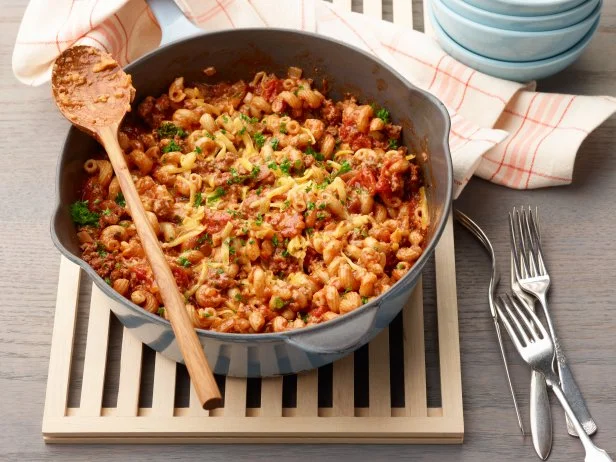
Most people don't mind cooking. It's the aftermath that wears them down. A frying pan soaking in the sink. A saucepan with burnt rice glued to the bottom. Three mixing bowls you'll swear you needed five minutes ago. That's exactly why one-pan meals have become a staple in busy households—not because they're trendy, but because they remove unnecessary work from weeknight cooking.
I've learned this the hard way. After testing dozens of recipes, I noticed something interesting: the meals I actually repeated weren't always the fanciest. They were the ones that dirtied one skillet, one sheet pan, or one Dutch oven and still delivered solid flavor.
Less cleanup. Less stress. Still satisfying.
Why one-pan cooking actually works
Cooking everything together isn't simply about convenience. It's also about flavor.
As ingredients cook in the same pan, they share moisture, rendered fat, browned bits (known as fond), and seasonings. Those caramelized bits stuck to the bottom aren't something to scrub away immediately—they're concentrated flavor that dissolves back into sauces when deglazed with broth, wine, or even water.
That interaction is difficult to recreate when every ingredient is cooked separately.
There's another benefit many people overlook.
Using fewer pans often means less energy consumption because only one burner—or one oven tray—is active. According to guidance from energy agencies in several countries, reducing appliance use and keeping lids on cookware can noticeably improve cooking efficiency over time.
Not magic. Just practical.
Picking the right pan makes a surprising difference
Different meals need different cookware.
Pan Type | Best For | Watch Out For |
|---|---|---|
Cast iron skillet | Steaks, chicken thighs, cornbread, hash | Takes longer to heat, requires seasoning |
Stainless steel sauté pan | Cream sauces, pasta, searing | Food sticks if preheating is wrong |
Nonstick skillet | Eggs, delicate fish, fried rice | Avoid metal utensils and very high heat |
Sheet pan | Roasted vegetables, chicken, salmon | Crowding ingredients reduces browning |
Dutch oven | Stews, soups, braises, rice dishes | Heavy but excellent heat retention |
A common mistake? Overcrowding.
If vegetables are piled on top of each other, they steam instead of roast. Leave space. Air circulation inside the oven matters just as much as temperature.
The five building blocks of nearly every successful one-pan dinner
Instead of memorizing recipes, think in patterns.
Protein
Chicken thighs
Shrimp
Ground turkey
Sausage
Tofu
Beans
Vegetables
Think sturdy vegetables that roast well.
Broccoli, carrots, potatoes, zucchini, bell peppers, Brussels sprouts, onions, mushrooms.
Carbohydrate
Rice works.
So do gnocchi, orzo, small pasta, quinoa, couscous, diced potatoes, or canned beans.
Liquid
Chicken stock, vegetable broth, coconut milk, crushed tomatoes, or even water depending on the recipe.
Seasoning
Garlic, paprika, cumin, oregano, soy sauce, Dijon mustard, lemon juice, parmesan, herbs.
Simple framework. Endless combinations.
One-pan chicken and vegetables never gets old
This is probably the meal I cook more than anything else.
Chicken thighs tolerate high heat without drying out, unlike lean chicken breasts that can quickly become overcooked if timing slips by only a few minutes.
Toss together:
Bone-in or boneless chicken thighs
Baby potatoes
Carrots
Red onion
Olive oil
Garlic
Smoked paprika
Salt
Black pepper
Roast at 220°C (425°F).
After roughly 35–45 minutes, the potatoes crisp while chicken skin turns golden.
For food safety, poultry should reach an internal temperature of 74°C (165°F), according to food safety guidance from agencies including the USDA.
A digital instant-read thermometer removes the guesswork.
Pasta that cooks in one pan? Yes.
Many people assume pasta always needs a separate pot.
It doesn't.
One-pan pasta became widely popular after several food publications demonstrated that dried pasta could cook directly inside broth or sauce while releasing starch naturally. That starch thickens the liquid into a creamy sauce without adding flour.
Here's a dependable combination:
Penne
Chicken broth
Heavy cream
Garlic
Spinach
Mushrooms
Parmesan
The trick is simple.
Stir every couple of minutes.
Ignore it for ten minutes and pasta tends to stick together at the bottom. Ask me how I know.
Sheet pan dinners are almost impossible to mess up
Well...almost.
The biggest issue is ingredient timing.
Chicken wings need longer than asparagus.
Sweet potatoes roast slower than zucchini.
Instead of throwing everything onto one tray at once, stagger ingredients.
Example:
Time | Add |
|---|---|
0 minutes | Chicken thighs and potatoes |
20 minutes | Broccoli and onions |
35 minutes | Cherry tomatoes |
Final 5 minutes | Parmesan and lemon slices |
Small adjustment. Much better results.
Rice skillet meals save even more dishes
Rice absorbs flavor while cooking.
That's the advantage.
Brown onions first. Add garlic, spices, uncooked rice, broth, vegetables, and protein.
Cover.
Walk away.
Long-grain white rice generally cooks in around 18–20 minutes, while brown rice often needs 40–45 minutes depending on the variety and the amount of liquid used. Instant rice behaves differently, so always check the package instructions before substituting.
One lesson I learned after ruining more than one batch: resist lifting the lid every few minutes. Steam is part of the cooking process. Let it do its job.
Don't underestimate frozen ingredients
Frozen vegetables have an unfair reputation.
Many are frozen within hours of harvest, preserving nutrients effectively. They're also pre-cut, inexpensive, and available year-round.
Good candidates include:
Mixed vegetables
Peas
Broccoli florets
Corn
Spinach
Frozen shrimp works well too.
Just thaw it first or account for the extra moisture during cooking.
Small habits that dramatically reduce cleanup
Cleaning starts before cooking.
Not afterward.
Try these habits:
Line sheet pans with parchment paper for baked meals.
Silicone baking mats reduce sticking, although roasted vegetables usually brown slightly better on bare metal or parchment.
Deglaze pans while they're still warm instead of waiting until food hardens.
Fill cooking vessels with warm water immediately after serving.
Keep a small bowl nearby for vegetable scraps instead of walking repeatedly to the trash.
None of these save huge amounts of time individually.
Together? They absolutely do.
Flavor doesn't have to suffer
A common criticism of one-pan meals is that everything tastes...similar.
Sometimes that's true.
Layering ingredients fixes the problem.
Brown meat first.
Remove it temporarily.
Cook onions.
Toast spices for about 30 seconds.
Add garlic near the end because it burns quickly.
Return the meat.
Only then add liquids.
Those extra few minutes create noticeably deeper flavor than dumping everything together at once.
Budget-friendly combinations worth repeating
Meal | Approximate Main Ingredients |
|---|---|
Sausage and peppers | Italian sausage, onions, peppers, potatoes |
Chickpea curry | Chickpeas, coconut milk, tomatoes, spinach |
Lemon garlic salmon | Salmon, asparagus, baby potatoes |
Tex-Mex rice skillet | Ground turkey, rice, black beans, corn |
Mediterranean chicken | Chicken thighs, olives, tomatoes, zucchini |
Notice the pattern?
Many rely on pantry staples that already have a long shelf life.
Storage and reheating tips people often overlook
One-pan meals are excellent for meal prep.
Rice dishes generally keep for about 3–4 days in the refrigerator when stored promptly in shallow airtight containers. Chicken and roasted vegetables follow similar timelines under proper refrigeration.
Avoid leaving cooked food at room temperature for extended periods before refrigerating.
Reheating works best in a skillet with a splash of broth or water rather than blasting everything in the microwave until it dries out.
A lid helps restore moisture surprisingly well.
FAQs
Can I prepare one-pan meals ahead of time?
Yes. Chop vegetables, measure seasonings, and marinate proteins a day in advance. Store ingredients separately in the refrigerator until cooking.
Are one-pan meals healthy?
They can be. Balance lean protein, vegetables, whole grains, and moderate amounts of healthy fats instead of relying heavily on processed sauces or excessive cheese.
Is cast iron better than nonstick?
Not always. Cast iron excels at browning and high-heat cooking, while nonstick is better for delicate foods like eggs or flaky fish. Choose based on the meal rather than assuming one material is universally better.
Why do my roasted vegetables turn soggy?
Usually because the pan is overcrowded or the oven temperature is too low. Spread vegetables into a single layer and roast at higher temperatures—around 220°C (425°F) for many recipes—to encourage caramelization instead of steaming.
Can I freeze leftovers?
Many soups, stews, curries, and rice dishes freeze well for several months when sealed properly. Cream-based pasta sauces may separate after thawing but often come back together with gentle reheating and a splash of milk or broth.
Make your next dinner easier
The best one-pan meals aren't complicated recipes you'll cook once for guests. They're dependable combinations you can build from whatever happens to be in the refrigerator. Keep one good skillet, one sturdy sheet pan, and a handful of pantry staples within reach, then start experimenting. Before long, you'll spend less time scrubbing cookware and more time actually enjoying dinner.
one-pan meals
easy dinner recipes
minimal cleanup meals
quick family dinners
skillet recipes
sheet pan dinners
simple home cooking
easy weeknight meals
one pot recipes
hassle free cooking
Found this helpful? Share it!