
Plant-Based Made Easy: Simple Recipes for Everyday Cooking
304 views
Cooking more plant-based meals sounds easy—until it's 6:30 p.m., you're hungry, and the fridge contains half a zucchini, a can of chickpeas, and spinach that's one day away from becoming compost.
That moment trips up a lot of people.
The problem usually isn't motivation. It's decision fatigue. Many beginners assume plant-based cooking demands expensive specialty products, complicated recipes, or ingredients found only in upscale grocery stores. After years of cooking at home, I've learned the opposite is often true. A handful of pantry staples, a sharp knife, and about 30 minutes can produce meals that are satisfying enough to become regular weeknight favorites.
Simple wins. Every time.
Why Everyday Plant-Based Cooking Works Better Than Perfection
One mistake appears again and again. Someone fills their shopping cart with unfamiliar ingredients—nutritional yeast, jackfruit, tempeh, six different grains—then discovers they don't actually know what to cook.
The groceries sit.
Eventually they're thrown away.
Instead, build meals around ingredients you already recognize.
Rice. Beans. Lentils. Oats. Frozen vegetables. Potatoes. Pasta. Tomatoes. Garlic. Onions. These foods have been staples across cultures for generations, long before "plant-based" became a popular label.
Research published by organizations including the World Health Organization (WHO) and the Harvard T.H. Chan School of Public Health consistently links diets rich in vegetables, legumes, fruits, whole grains, and nuts with improved long-term health outcomes when compared with diets high in processed foods and excess saturated fat.
Notice the wording: rich in plants. Not perfect.
Your Kitchen Doesn't Need Fancy Equipment
A surprising amount of social media content makes plant-based cooking look equipment-heavy.
Reality is different.
You'll use these far more often than an expensive gadget:
One large non-stick or stainless-steel skillet
A medium saucepan
A sharp chef's knife (around 8 inches is ideal for most home cooks)
Cutting board
Measuring cups and spoons
Sheet pan for roasting vegetables
An immersion blender can be helpful for soups, but it isn't required. Neither is a high-powered blender costing hundreds of dollars.
I've made creamy soups using nothing more than a potato masher. They weren't Instagram-worthy. They tasted great.
Pantry Staples That Actually Get Used
Not every ingredient deserves permanent shelf space.
These usually do.
Pantry Item | Why It Matters |
|---|---|
Brown or white rice | Base for countless meals |
Dry or canned chickpeas | Protein and fiber |
Black beans | Great for bowls, tacos, soups |
Red lentils | Cook in about 15–20 minutes |
Rolled oats | Breakfast and baking |
Tomato paste | Adds deep flavor quickly |
Olive oil | Everyday cooking |
Soy sauce | Fast umami flavor |
Garlic powder | Backup when fresh garlic runs out |
Smoked paprika | Adds depth without meat |
Cumin | Essential for chili and bean dishes |
Frozen vegetables deserve a mention, too.
They're typically frozen within hours of harvesting, helping preserve nutrients. They're also less likely to become forgotten science experiments in the produce drawer.
Recipe 1: Creamy Chickpea Tomato Skillet
Busy weeknight?
This recipe saves the evening.
Ingredients
2 tablespoons olive oil
1 onion, diced
3 garlic cloves, minced
1 can (400 g) chickpeas, drained
1 can diced tomatoes
2 tablespoons tomato paste
1 teaspoon smoked paprika
1 teaspoon cumin
Salt and black pepper
2 handfuls spinach
Fresh parsley (optional)
Method
Cook onion in olive oil until soft.
Add garlic and spices for about 30 seconds.
Stir in tomato paste.
Add tomatoes and chickpeas.
Simmer for 12–15 minutes.
Fold in spinach until wilted.
Serve over rice or with toasted whole-grain bread.
Leftovers often taste even better the next day because the spices continue to develop overnight.
Recipe 2: Peanut Noodle Bowl
Some recipes look complicated.
This isn't one of them.
Cook your favorite noodles. Whole wheat spaghetti works surprisingly well if rice noodles aren't available.
Whisk together:
2 tablespoons peanut butter
1 tablespoon soy sauce
1 teaspoon sesame oil
Juice of half a lime
1 teaspoon maple syrup or honey (if not following a vegan diet)
Warm water until smooth
Mix with cooked noodles, shredded carrots, cucumber, sliced bell peppers, and edamame.
Dinner. Done.
Don't Ignore Protein—But Don't Obsess Over It
Questions about protein appear everywhere.
They're understandable.
Fortunately, many common foods already provide meaningful amounts.
Food | Approximate Protein per Cooked Serving |
|---|---|
Lentils (1 cup) | ~18 g |
Chickpeas (1 cup) | ~15 g |
Black beans (1 cup) | ~15 g |
Firm tofu (100 g) | ~15–17 g |
Edamame (1 cup) | ~18 g |
Quinoa (1 cup) | ~8 g |
Current nutrition guidance from organizations such as the Academy of Nutrition and Dietetics indicates that appropriately planned vegetarian and vegan diets can provide sufficient protein for most healthy adults.
The keyword is "planned."
Eating nothing but salad won't cut it.
Recipe 3: One-Pan Roasted Vegetable Dinner
Roasting fixes a lot of problems.
Vegetables become sweeter. Edges caramelize. Cleanup stays manageable.
Spread onto a baking tray:
Sweet potatoes
Broccoli
Cauliflower
Red onion
Bell peppers
Chickpeas
Season with:
Olive oil
Salt
Pepper
Garlic powder
Paprika
Bake at 220°C (425°F) for roughly 30–35 minutes, turning halfway through.
Finish with tahini mixed with lemon juice and a splash of water.
That's dinner.
Meal Prep Without Spending Sunday Cooking for Six Hours
Meal prep has somehow become an all-day event online.
It doesn't need to be.
Try this instead.
Cook one large batch of rice.
Roast two trays of vegetables.
Prepare one protein—lentils, beans, or tofu.
Mix and match throughout the week.
Monday becomes grain bowls.
Tuesday turns into tacos.
Wednesday is fried rice.
Thursday transforms leftovers into soup.
Less planning. Less waste.
Flavor Matters More Than Fancy Ingredients
Many first attempts at plant-based cooking fail because they're under-seasoned.
Vegetables aren't bland.
Unseasoned vegetables are.
A simple formula helps:
Acid + Salt + Fat + Herbs
For example:
Lemon juice
Sea salt
Olive oil
Fresh parsley
Or:
Lime
Soy sauce
Sesame oil
Cilantro
Tiny adjustments can completely change a dish.
I've watched people declare roasted broccoli "boring," then ask for seconds after adding lemon and flaky salt.
Recipe 4: Fast Red Lentil Soup
This recipe regularly rescues busy evenings.
Ingredients
1 cup red lentils
1 onion
2 carrots
3 garlic cloves
1 teaspoon cumin
1 teaspoon turmeric
1 tablespoon olive oil
1 litre vegetable stock
Juice of half a lemon
Cook everything except the lemon for about 20 minutes.
Blend if you prefer a smooth texture.
Add lemon just before serving.
The acidity brightens the soup far more than you'd expect.
Reading Labels Saves Money
Plant-based doesn't automatically mean healthy.
Some frozen meat alternatives contain long ingredient lists with added sodium, refined oils, or sweeteners.
Take thirty seconds.
Read the nutrition panel.
Compare products.
Many shoppers also overlook serving size. A package may advertise attractive nutrition numbers while quietly listing three servings instead of one.
That tiny detail catches people surprisingly often.
Common Mistakes Beginners Make
A few patterns show up repeatedly.
Buying too many specialty ingredients at once
Forgetting to season beans properly
Cooking lentils until they're mush
Assuming frozen vegetables are inferior
Skipping healthy fats entirely
Expecting every recipe to taste identical to meat
The last point deserves attention.
Plant-based cooking works best when it celebrates vegetables rather than trying to disguise them.
Simple Weekly Meal Rotation
Instead of searching for new recipes every night, rotate reliable meals.
Day | Meal |
|---|---|
Monday | Chickpea tomato skillet |
Tuesday | Peanut noodle bowl |
Wednesday | Lentil soup |
Thursday | Vegetable stir-fry with tofu |
Friday | Black bean tacos |
Saturday | Roasted vegetable grain bowl |
Sunday | Leftover vegetable curry |
After a few weeks, grocery shopping becomes noticeably easier because the ingredient list barely changes.
Frequently Asked Questions
Is plant-based cooking expensive?
Not usually. Beans, lentils, oats, potatoes, rice, and seasonal vegetables remain among the most affordable foods in many supermarkets. Specialty meat alternatives can increase costs, but they're optional rather than essential.
Can I freeze these meals?
Yes. Lentil soup, bean chili, cooked rice, tomato sauces, and many vegetable stews freeze well for up to three months when stored in airtight freezer-safe containers.
How do I make vegetables taste better?
Roast them at high heat, season generously, and finish with something acidic like lemon juice or vinegar. Fresh herbs also make a noticeable difference.
Do I need protein powder?
Most people eating balanced meals with beans, lentils, tofu, whole grains, nuts, and seeds can meet their protein needs without supplements. Protein powders can be convenient, but they aren't a requirement for everyday cooking.
What's the easiest meal for complete beginners?
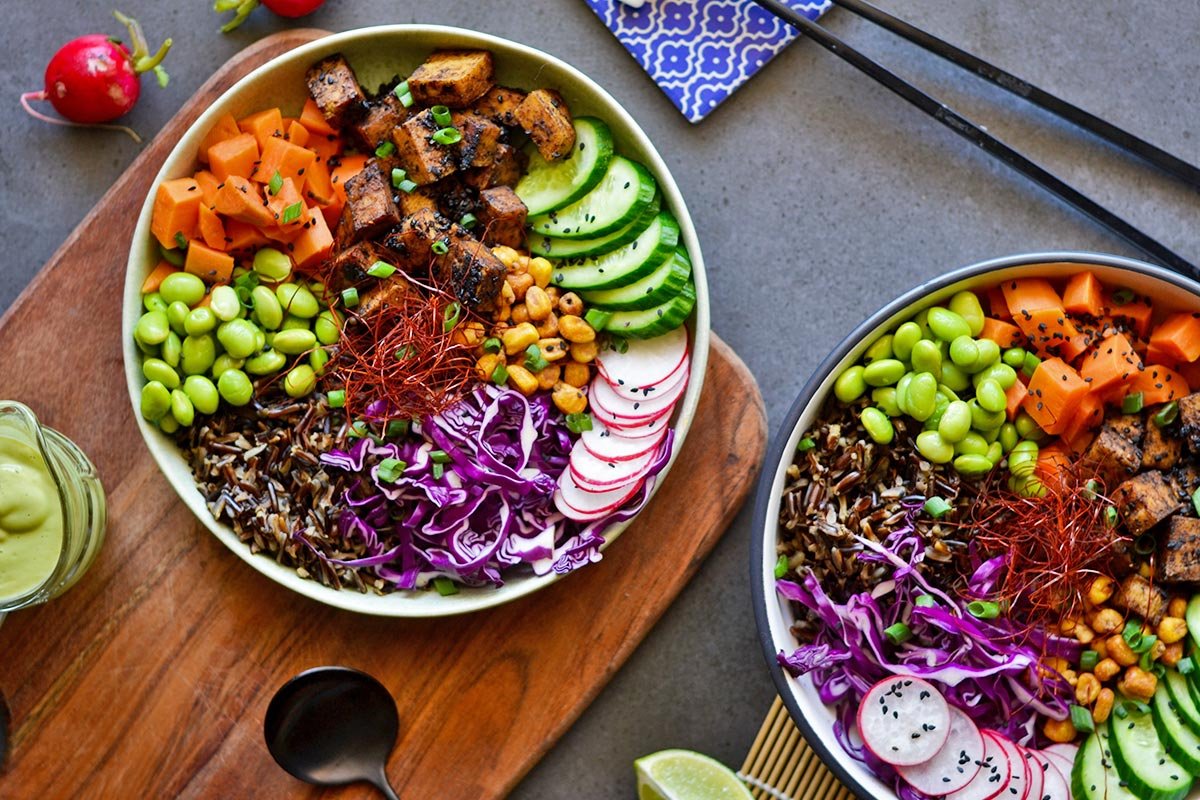
A grain bowl is hard to beat. Combine cooked rice, roasted vegetables, chickpeas, and a simple dressing. It requires minimal cooking skill and adapts easily to whatever ingredients are already in the kitchen.
Start With One Reliable Meal
Forget chasing perfection or filling your pantry with ingredients you'll rarely touch. Pick one recipe from this guide and cook it twice this week. Notice what you enjoyed, adjust the seasoning next time, and build from there. Small improvements accumulate quickly, and before long, everyday plant-based cooking stops feeling like a challenge—it simply becomes the easiest way to get dinner on the table.
plant-based recipes
easy vegan meals
healthy everyday cooking
simple vegetarian recipes
quick plant-based dishes
vegan cooking ideas
healthy meal recipes
homemade vegan food
beginner plant-based cooking
easy healthy recipes
Found this helpful? Share it!