
Kimchi Benefits, Nutrition & Easy Recipes Guide
311 views
Ever bought a jar of kimchi because everyone said it was "healthy," only to discover it sat untouched in the back of your refrigerator? You're not alone. The smell surprises people. The flavor is bolder than expected. Then there's the question almost everyone asks: Is this actually good for me, or is it just another food trend?
The answer isn't as simple as yes or no. Kimchi has been part of Korean cuisine for centuries, but modern nutrition research has given scientists fresh reasons to study it. Fermentation changes vegetables in fascinating ways, creating beneficial bacteria while transforming texture and flavor. Still, not every kimchi is identical, and a few practical details—like sodium levels or whether the product is pasteurized—matter more than most shoppers realize.
What Exactly Is Kimchi?
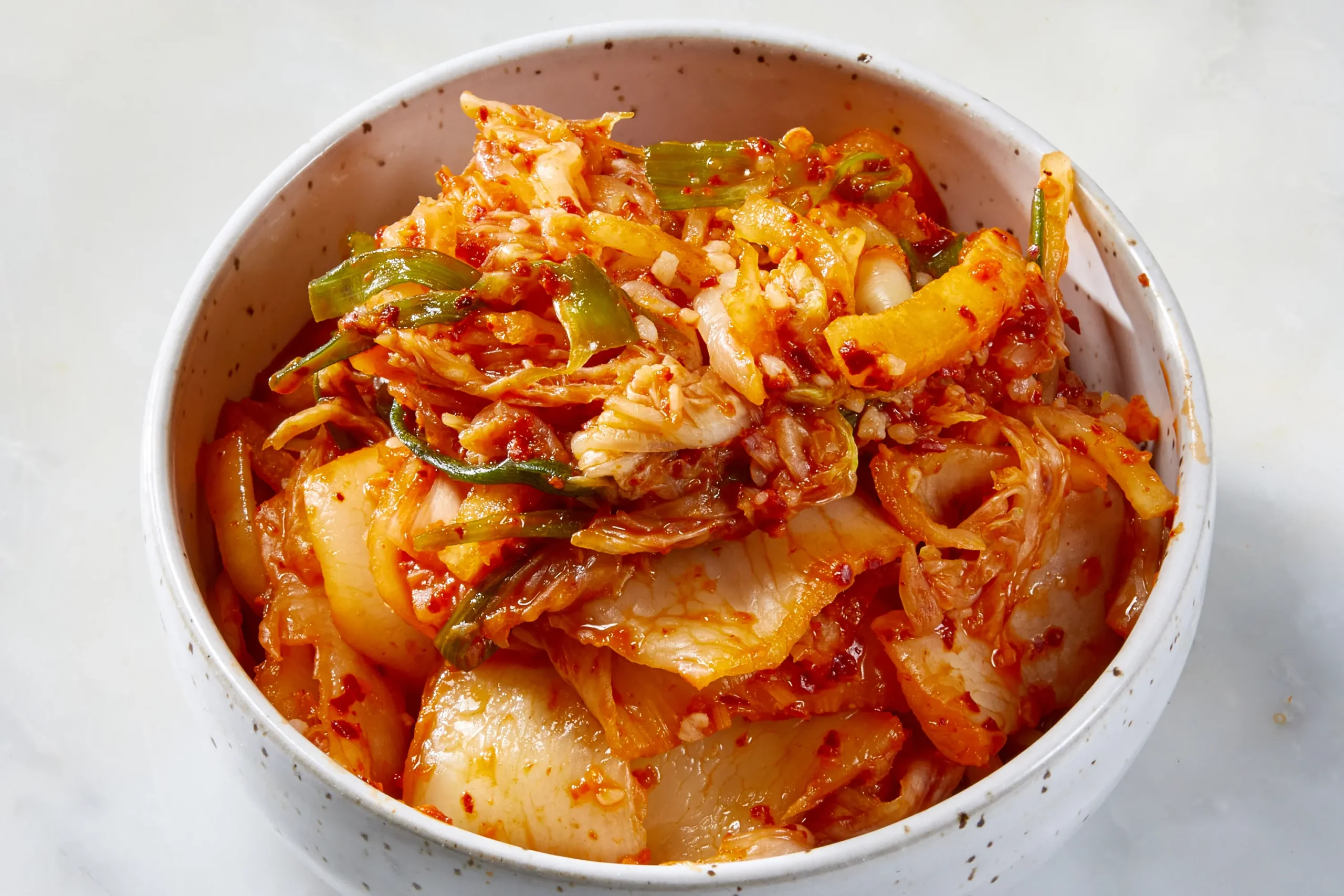
Kimchi is a traditional Korean fermented vegetable dish, most commonly made from Napa cabbage, Korean radish, garlic, ginger, scallions, Korean red pepper flakes (gochugaru), and salt. Hundreds of regional variations exist. Some recipes include seafood ingredients such as salted shrimp or fish sauce, while vegan versions rely on soy sauce, kelp broth, or miso for depth.
Fermentation begins after the vegetables are salted and mixed with seasonings. Naturally occurring lactic acid bacteria—primarily species from the Lactobacillus, Leuconostoc, and Weissella genera—consume sugars and produce organic acids that preserve the food while creating kimchi's signature tang.
No fancy equipment required. A clean glass jar works perfectly for home cooks.
Why Fermentation Changes Everything
Fresh cabbage is nutritious. Fermented cabbage becomes something different.
During fermentation, beneficial bacteria multiply rapidly while the acidity gradually increases. The pH of mature kimchi typically falls below 4.2, making it difficult for harmful microbes to survive. That's one reason fermentation became an effective preservation method long before refrigeration existed.
Here's where people sometimes get confused.
Pasteurized kimchi has usually been heat-treated after fermentation. It still contains vitamins and fiber, but many live bacteria no longer survive the process. Refrigerated, unpasteurized kimchi generally retains active cultures, although the exact bacterial count changes over time and depends on storage temperature.
I've noticed one common mistake among first-time buyers. They leave the jar open too long while serving. Oxygen speeds flavor changes, so closing the lid promptly helps maintain quality.
Kimchi Nutrition at a Glance
A typical 100-gram serving provides approximately:
Nutrient | Approximate Amount |
|---|---|
Calories | 15–25 kcal |
Carbohydrates | 3–5 g |
Fiber | 2–3 g |
Protein | 1–2 g |
Fat | Less than 1 g |
Vitamin C | 15–25% DV |
Vitamin K | 20–30% DV |
Folate | Small amounts |
Sodium | 450–700 mg |
Exact values vary depending on ingredients and fermentation time.
One thing stands out immediately. Kimchi packs substantial flavor with very few calories.
Health Benefits Supported by Research
Research into fermented foods has expanded significantly over the past decade. Although scientists continue studying specific effects, several benefits consistently appear across nutrition literature.
A Diverse Gut Microbiome
Fermented foods introduce live microorganisms that may support gut microbial diversity. Kimchi naturally contains multiple strains of lactic acid bacteria, although bacterial populations shift as fermentation progresses.
The International Scientific Association for Probiotics and Prebiotics (ISAPP) notes that not every fermented food automatically qualifies as a probiotic. To earn that label, microorganisms must be identified, remain alive, and demonstrate health benefits in controlled studies.
That's an important distinction.
Still, eating a variety of fermented foods—including kimchi, yogurt, kefir, and fermented vegetables—fits current dietary patterns associated with healthier gut microbiota.
Rich in Antioxidants
Garlic contributes sulfur-containing compounds.
Ginger provides gingerols.
Red pepper flakes add carotenoids and capsaicin.
Cabbage supplies vitamin C and polyphenols.
Together, these ingredients create a surprisingly broad antioxidant profile.
May Support Heart Health
Some observational research suggests fermented vegetables may contribute to healthy cholesterol and blood pressure patterns when included as part of an overall balanced diet rich in vegetables, whole grains, and legumes.
There's a catch, though.
Traditional kimchi can contain considerable sodium. People managing hypertension should pay attention to serving size or choose reduced-sodium recipes.
Digestive Comfort
Many people report easier digestion after incorporating fermented foods into regular meals. Individual responses vary considerably. Someone with a sensitive digestive system may want to begin with just one or two tablespoons instead of a full serving.
Small steps often work better.
Low-Calorie Flavor Booster
Replacing heavy sauces with a spoonful of kimchi can increase vegetable intake while adding intense flavor for relatively few calories.
That's one practical benefit many dietitians appreciate.
Choosing Store-Bought Kimchi Without Regret
Standing in front of the refrigerated section can be surprisingly confusing.
Some jars are actively fermenting. Others have been stabilized for longer shelf life.
A few details make shopping much easier:
Look for refrigerated products rather than shelf-stable versions if you want live cultures.
Check the ingredient list for recognizable vegetables and seasonings.
Vegan? Verify whether fish sauce or salted shrimp appears on the label.
Notice sodium content if you're monitoring salt intake.
A slightly swollen lid can occur because fermentation continues slowly in refrigeration, but damaged packaging or unpleasant odors beyond normal fermentation are warning signs.
Don't panic if bubbles appear after opening. Carbon dioxide production is completely normal.
Easy Homemade Kimchi Recipe
Making kimchi sounds intimidating until you actually try it.
The first batch might not taste exactly like your favorite Korean restaurant. Mine certainly didn't. I used far too much garlic the first time, and the fermentation finished faster than expected because the kitchen stayed around 24°C (75°F).
Ingredients
1 medium Napa cabbage
¼ cup coarse sea salt
4 cups water
1 tablespoon grated ginger
6 garlic cloves, minced
2 tablespoons sugar
3 tablespoons gochugaru
4 chopped scallions
1 tablespoon fish sauce (or soy sauce for vegan kimchi)
Step 1
Cut the cabbage into quarters.
Salt thoroughly.
Let it rest for 1½–2 hours, turning every 30 minutes before rinsing and draining.
Step 2
Mix remaining ingredients into a thick paste.
Massage the seasoning into every cabbage leaf while wearing disposable gloves. Gochugaru stains skin surprisingly well.
Pack tightly into a sterilized glass jar, leaving a few centimeters of headspace for expanding gases.
Leave the jar at room temperature for 24–48 hours, depending on ambient temperature. Once bubbles appear and the flavor reaches your preference, refrigerate.
Fermentation slows dramatically below about 4°C (39°F), though it doesn't completely stop.
Delicious Ways to Eat Kimchi
People often assume kimchi belongs only beside Korean barbecue.
Not even close.
Try it with scrambled eggs. Fold chopped kimchi into fried rice. Add it to grilled cheese sandwiches. Spoon a little onto baked potatoes. Mix it into ramen during the final minute of cooking. Even burgers gain surprising depth from a modest layer of well-fermented kimchi.
One warning: heating kimchi softens its texture and may reduce live bacterial content, although the flavor remains excellent.
Common Mistakes Beginners Make
Every experienced kimchi maker has a story.
Usually several.
One frequent mistake is sealing the jar too tightly during active fermentation without "burping" it occasionally. Carbon dioxide pressure can build surprisingly quickly.
Another involves using iodized table salt instead of coarse sea salt. While fermentation still happens, many traditional recipes favor non-iodized salt because excessive iodine may influence microbial activity.
Temperature matters too. A kitchen sitting at 30°C (86°F) will ferment noticeably faster than one at 18°C (64°F), so recipes often require small timing adjustments rather than rigid schedules.
Frequently Asked Questions
Is kimchi good for weight loss?
Kimchi is naturally low in calories and high in flavor, making it a useful addition to balanced meals. It isn't a weight-loss food by itself, but it can help increase vegetable intake.
How much kimchi should I eat daily?
Many people enjoy around 50–100 grams per day. Beginners may prefer smaller portions while their digestive system adapts.
Does cooking destroy probiotics?
Yes, significant heat generally reduces or eliminates live bacteria. The vegetables, fiber, vitamins, and flavor remain, but probiotic activity decreases.
Can people with high blood pressure eat kimchi?
Possibly, though sodium content deserves attention. Reduced-sodium recipes or smaller servings may be better options. Anyone following medical dietary restrictions should follow their healthcare provider's advice.
How long does homemade kimchi last?
Properly refrigerated homemade kimchi often stays enjoyable for several months. The flavor becomes progressively more sour as fermentation continues, making older kimchi especially popular for soups and stews.
Give Fermentation a Chance
Kimchi rarely wins everyone over after the very first bite. That's perfectly normal. Taste evolves, especially with fermented foods. Start with a small serving alongside familiar meals, pay attention to sodium if that's relevant for your diet, and experiment with recipes until you find a combination that clicks. A single jar can transform everything from weekday rice bowls to weekend sandwiches—and once fermentation stops feeling mysterious, you'll probably wonder why you waited so long to try making it yourself.
kimchi benefits
kimchi nutrition
kimchi recipes
homemade kimchi
Korean fermented food
probiotic foods
healthy kimchi guide
easy kimchi recipes
kimchi health benefits
traditional kimchi
Found this helpful? Share it!