
Lentils Benefits, Nutrition & Easy Cooking Guide
313 views
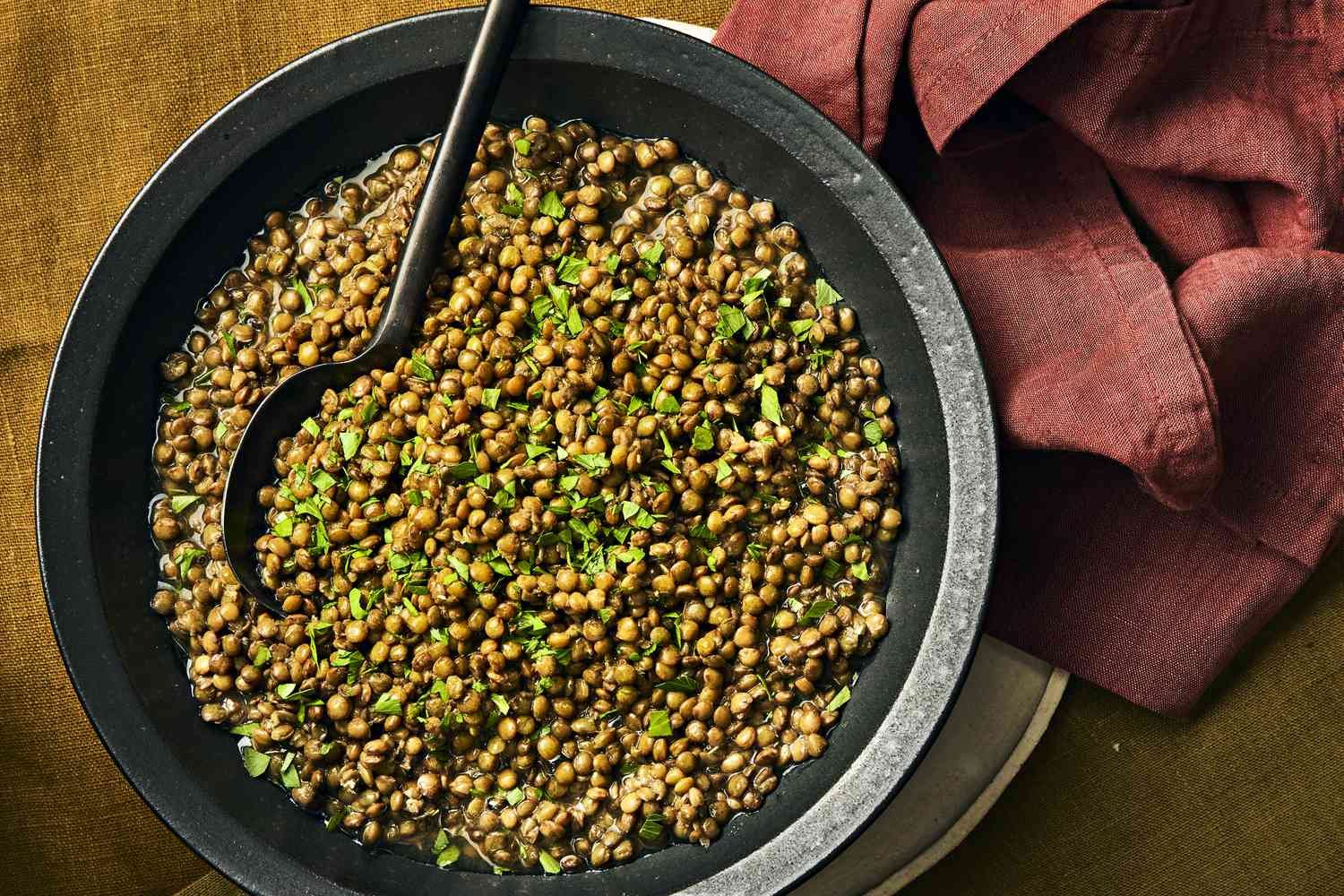
A pot of lentils can go from perfectly creamy to disappointingly mushy in less than five minutes. Most people have been there. You follow the package directions, walk away to answer a phone call, and return to a saucepan that looks more like baby food than dinner.
The funny thing? Lentils aren't difficult to cook. They're just less forgiving than many people expect.
I've cooked every common variety—from tiny French green lentils that stay pleasantly firm to soft red lentils that practically dissolve into soup. The biggest lesson wasn't about fancy techniques. It was learning that different lentils behave completely differently, and treating them all the same almost always leads to mediocre results.
Once you understand a few basics, lentils become one of the cheapest, healthiest, and most versatile ingredients you can keep in your kitchen.
Why Lentils Have Been a Kitchen Staple for Thousands of Years
Lentils (Lens culinaris) are among the oldest cultivated crops on Earth, with archaeological evidence suggesting people were growing them more than 9,000 years ago across parts of the Middle East. There's a reason they've survived every food trend imaginable.
They store well.
They cook faster than most dried beans.
They're inexpensive.
And unlike many legumes, most varieties don't require overnight soaking.
Even today, lentils remain a dietary staple across India, Turkey, Ethiopia, Canada, and Mediterranean countries. India is one of the world's largest consumers, while Canada consistently ranks among the biggest exporters of lentils globally.
That long history isn't just cultural. Modern nutrition research continues to support what traditional cuisines figured out centuries ago.
Lentils Nutrition: Small Seeds, Serious Value
One cooked cup (roughly 198 grams) of brown lentils provides approximately:
Nutrient | Amount |
|---|---|
Calories | 230 kcal |
Protein | 18 g |
Carbohydrates | 40 g |
Dietary Fiber | 15–16 g |
Fat | Less than 1 g |
Iron | Around 6.5 mg |
Folate | About 358 mcg |
Potassium | Around 730 mg |
Magnesium | About 70 mg |
Source values align closely with data published by the USDA FoodData Central and nutrition guidance from organizations like the Harvard T.H. Chan School of Public Health.
That fiber content deserves attention. A single serving supplies well over half of the recommended daily fiber intake for many adults.
Not bad for something that often costs less than a dollar per serving.
The Health Benefits That Actually Matter
Nutrition labels tell part of the story. Regularly eating lentils affects your diet in practical ways that most people notice long before they memorize nutrient charts.
They Help You Stay Full
High-protein foods tend to satisfy hunger longer than refined carbohydrates.
Lentils combine protein and fiber, slowing digestion and helping reduce those mid-afternoon snack cravings. Anyone who's swapped a white pasta lunch for lentil soup has probably noticed the difference.
Heart Health Gets a Boost
Research consistently links diets rich in legumes with better cardiovascular health.
Fiber helps reduce LDL cholesterol, while potassium supports healthy blood pressure. Lentils also contain very little saturated fat.
Simple foods often win.
Blood Sugar Rises More Gradually
Unlike highly refined grains, lentils have a relatively low glycemic index.
That means glucose enters the bloodstream more slowly, reducing dramatic spikes and crashes. People managing diabetes or prediabetes frequently include legumes as part of balanced meal planning under guidance from healthcare professionals.
Plant-Based Protein Without the Price Tag
Protein powders have their place.
Still, lentils deliver roughly 18 grams of protein per cooked cup at a fraction of the cost. Pair them with grains like rice or whole wheat bread throughout the day, and you obtain all essential amino acids without relying exclusively on animal protein.
Rich in Micronutrients
Folate supports healthy cell growth.
Iron helps transport oxygen through the body.
Magnesium participates in hundreds of enzyme reactions.
These nutrients aren't unique to lentils, but getting them from whole foods usually brings additional dietary fiber and beneficial plant compounds along for the ride.
Not All Lentils Cook the Same
This catches beginners every time.
Different colors aren't just cosmetic.
Lentil Type | Texture | Typical Cooking Time | Best Uses |
|---|---|---|---|
Brown | Soft but holds shape | 20–30 minutes | Soups, casseroles, meal prep |
Green | Firm | 30–40 minutes | Salads, grain bowls |
French Green (Puy-style) | Very firm | 25–35 minutes | Warm salads, side dishes |
Red | Breaks apart | 10–20 minutes | Curries, dals, pureed soups |
Black (Beluga) | Firm, slightly chewy | 25–30 minutes | Elegant side dishes, salads |
One mistake I made early on? Using red lentils in a cold salad.
Disaster.
They're meant to soften dramatically, which is exactly why they're perfect for creamy Indian dal and thick soups.
Easy Lentil Cooking Guide
Cooking lentils isn't complicated, but a few details make a noticeable difference.
Step 1: Rinse Carefully
Even modern packaged lentils occasionally contain tiny stones or bits of debris.
Spread them on a tray for a quick look.
Then rinse under cold water.
Step 2: Use Enough Liquid
A good starting ratio is:
1 cup dried lentils
3 cups water or broth
Some recipes use slightly more liquid, especially for soups.
Step 3: Simmer—Don't Boil Aggressively
Bring everything to a boil first.
Then immediately reduce to a gentle simmer.
A vigorous boil tends to split the lentils unevenly.
Step 4: Salt Timing Depends on Preference
Older advice suggested adding salt only after cooking.
More recent kitchen testing—including experiments from culinary organizations like America's Test Kitchen—shows moderate amounts of salt added early generally don't prevent lentils from softening. Instead, early seasoning often produces more evenly flavored results.
Exception? Extremely hard water combined with older dried lentils may increase cooking time slightly.
Step 5: Taste Before Following the Clock
Package directions provide estimates.
Age matters.
Storage conditions matter.
Altitude matters.
A bag that's been sitting in the pantry for two years may need noticeably longer than one purchased last week.
Simple Ways to Eat More Lentils
No complicated recipes required.
Mix cooked lentils into taco meat to stretch expensive ground beef.
Blend red lentils into tomato soup for extra protein without dramatically changing the flavor.
Add green lentils to roasted vegetable salads.
Stir cooked brown lentils into pasta sauce.
Replace half the rice in stuffed peppers.
Tiny changes add up surprisingly fast.
Common Cooking Mistakes
People usually blame the ingredient.
The technique is often the real problem.
Overcooking. Five extra minutes can completely change the texture.
Skipping the rinse. Nobody wants grit in dinner.
Adding acidic ingredients too early. Tomatoes, vinegar, or lemon juice may slow softening, so many cooks stir these in after lentils become tender.
Using old lentils. Dried lentils don't spoil quickly, but older ones frequently require longer cooking and sometimes never soften evenly.
Storage Tips That Actually Work
Uncooked lentils store exceptionally well.
Keep them in airtight containers somewhere cool, dark, and dry.
Properly stored dried lentils often remain usable for several years, although flavor and cooking quality gradually decline over time.
Cooked lentils are less forgiving.
Refrigerate them within two hours of cooking and use within three to five days.
They also freeze surprisingly well for up to six months in sealed freezer containers.
Batch cooking saves a surprising amount of weeknight effort.
Are Lentils Sustainable?
Food choices affect more than nutrition.
Compared with many animal protein sources, lentils generally require substantially less water and produce lower greenhouse gas emissions per kilogram of edible protein, according to analyses from organizations including the United Nations Food and Agriculture Organization (FAO) and environmental research published in peer-reviewed journals.
They're also nitrogen-fixing crops.
That means they naturally improve soil fertility by working with beneficial bacteria that convert atmospheric nitrogen into forms plants can use, reducing dependence on synthetic fertilizers in many farming systems.
Sometimes the environmentally friendly option also happens to be the affordable one.
Frequently Asked Questions
Do lentils need to be soaked overnight?
Usually not. Most brown, green, red, black, and French lentils cook well without soaking. Soaking may shorten cooking slightly but isn't generally necessary.
Are canned lentils as healthy as dried?
Yes. Canned lentils retain most of their nutrients. Rinsing them removes a significant portion of the added sodium if salt reduction is your goal.
Why are my lentils still hard after cooking?
Older lentils, hard water, or adding acidic ingredients too early can all increase cooking time. Keep simmering gently and test every few minutes.
Can I cook lentils in a pressure cooker?
Absolutely. Modern electric pressure cookers, including popular models like the Instant Pot Duo series, typically cook unsoaked brown lentils in about 9–12 minutes at high pressure with a natural pressure release. Exact times vary slightly by model and desired texture.
Are lentils gluten-free?
Naturally, yes. However, cross-contact during processing is possible, so people with celiac disease should choose products specifically labeled gluten-free if medical guidance requires it.
One Bag, Countless Meals
Lentils reward a little attention. Learn which variety suits your recipe, keep an eye on the simmer instead of the clock, and don't be afraid to season generously. Start with one reliable batch this week, freeze a few portions for busy evenings, and you'll quickly discover why this humble pantry staple has stayed on dinner tables for thousands of years.
lentils benefits
lentils nutrition
how to cook lentils
healthy lentil recipes
lentils protein
red lentils
green lentils
lentils health benefits
easy lentil cooking
nutritious legumes
Found this helpful? Share it!