
Quick Noodle Dinners Better Than Instant Packets
177 views
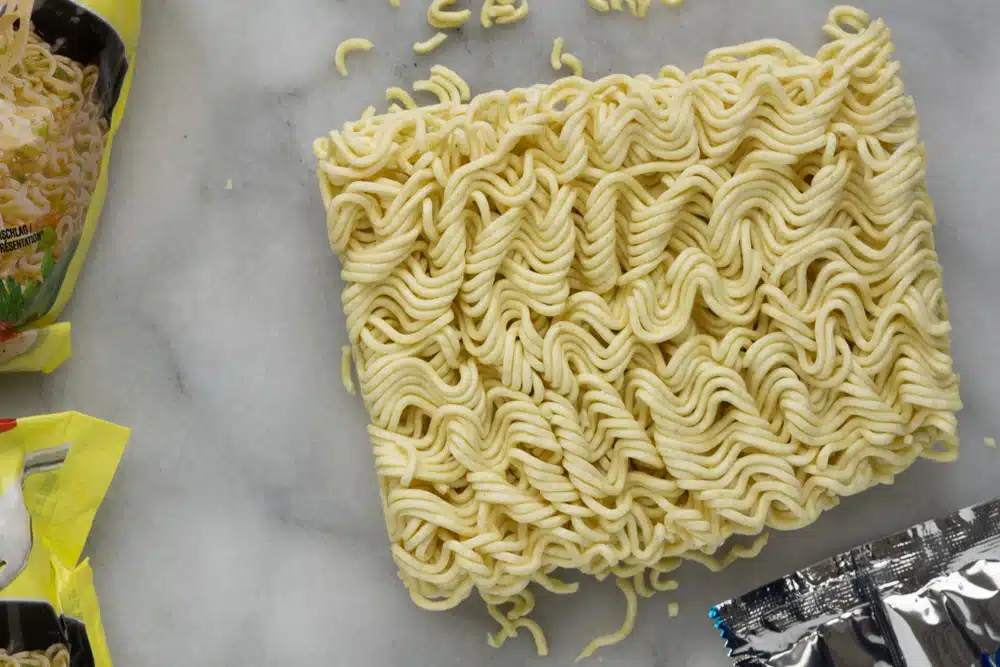
A packet of instant noodles solves one problem: you're hungry right now. It also creates another. Half an hour later, you're often hungry again, the seasoning tastes aggressively salty, and you've spent money on something that didn't feel like a proper meal.
I've been there more times than I'd like to admit. After a long day, opening another instant noodle packet feels easy until you realize your kitchen already has ingredients that could make something noticeably better in nearly the same amount of time. Eggs. Frozen vegetables. Leftover chicken. A jar of peanut butter hiding in the back of the cupboard.
The trick isn't spending an hour cooking. It's choosing noodles that cook quickly while building flavor from ingredients you probably already own.
Why instant packets aren't always the fastest option
Instant ramen usually cooks in around 3 to 5 minutes because the noodles are pre-cooked and dehydrated before packaging. That's clever engineering. It also explains why the texture can become soft almost immediately if you leave them sitting in broth.
Fresh noodles found in supermarket refrigerated sections often cook in 2 to 4 minutes. Dry wheat noodles, soba, rice noodles, and udon generally finish in 4 to 8 minutes depending on thickness and manufacturer instructions.
The surprising part?
While instant noodles save a minute or two during cooking, most of the total dinner time comes from gathering ingredients, washing a pan, and deciding what to make. Once you've accepted that reality, preparing a more satisfying noodle dinner suddenly doesn't seem difficult.
Build meals, not just bowls
Instead of relying on a seasoning packet, think in four simple parts.
Component | Examples |
|---|---|
Noodles | Udon, rice noodles, egg noodles, soba, whole wheat spaghetti |
Protein | Eggs, tofu, shrimp, rotisserie chicken, canned tuna |
Vegetables | Frozen peas, spinach, mushrooms, carrots, broccoli |
Sauce | Soy sauce, sesame oil, peanut butter, chili crisp, miso paste |
That simple framework works almost every time.
No complicated recipes required.
Peanut butter sesame noodles that take 10 minutes
This one rescued countless late evenings in my kitchen.
Boil your noodles first. While they're cooking, whisk together:
2 tablespoons peanut butter
1 tablespoon soy sauce
1 teaspoon sesame oil
1 teaspoon rice vinegar
A splash of hot noodle water
Chili flakes or chili crisp if you like heat
Toss everything together.
Add sliced cucumber, spring onions, shredded carrots, or leftover cooked chicken.
The sauce becomes creamy without using cream, and the peanut butter adds protein and healthy fats that help keep you full much longer than instant seasoning alone.
Fresh vegetables make a dramatic difference
Frozen vegetables deserve more respect.
Seriously.
They're usually frozen within hours of harvest, which helps preserve nutrients. Research from organizations including the United States Department of Agriculture (USDA) shows frozen vegetables can be nutritionally comparable to fresh produce, especially when fresh vegetables have spent several days in transport or storage.
A handful of frozen broccoli, corn, peas, or mixed vegetables can go directly into boiling noodle water during the final two minutes.
No chopping.
No waste.
No forgotten vegetables slowly turning into science experiments inside the refrigerator.
The egg trick never gets old
Eggs and noodles belong together.
Soft-boiled eggs require roughly 6½ to 7 minutes for jammy centers, while poached eggs cook directly inside simmering broth in around 3 to 4 minutes.
Scrambled eggs work too.
One small mistake people often make is adding beaten eggs into rapidly boiling soup. Instead, reduce the broth to a gentle simmer, slowly drizzle the egg while stirring, and you'll create silky ribbons similar to Chinese egg drop soup.
Tiny adjustment. Huge improvement.
Stir-fried noodles beat soggy instant ramen
Many people accidentally overcrowd the pan.
I certainly did when I first started cooking quick noodle dinners.
The vegetables release water, everything steams instead of fries, and suddenly dinner tastes flat.
Cook ingredients in stages:
Brown the protein first.
Add vegetables until just tender.
Toss cooked noodles in last with sauce.
That's the sequence restaurant kitchens use because it actually works.
A large skillet or wok around 30 cm (12 inches) gives ingredients enough space to caramelize instead of boiling in their own moisture.
Miso noodles with mushrooms
Miso paste lasts surprisingly long once refrigerated.
White miso (shiro miso) is slightly sweeter and milder than red miso, making it ideal for quick weeknight dinners.
Cook sliced mushrooms until browned.
Meanwhile, dissolve one tablespoon of miso paste into hot broth or reserved noodle water before adding it back to the pan. Avoid boiling miso aggressively after mixing because high temperatures can dull some of its more delicate flavors.
Finish with spinach and tofu.
Dinner. Done.
Budget-friendly upgrades that actually matter
A common misconception is that quick meals are automatically expensive.
Not necessarily.
Here's a realistic comparison using average supermarket pricing in many markets during 2026.
Meal | Approximate Cost (USD) |
|---|---|
Instant noodle packet | $0.50–$1.20 |
Dry noodles + vegetables + egg | $1.50–$2.50 |
Peanut sesame noodles with chicken | $2.50–$4.00 |
Fresh udon with vegetables and tofu | $2.00–$3.50 |
You're paying a little more than basic instant noodles, but you're getting considerably more protein, fiber, and fresh ingredients.
That trade-off usually feels worthwhile.
Don't ignore leftover ingredients
Some of my favorite noodle dinners happened by accident.
Half a grilled chicken breast.
Three mushrooms.
A lonely bell pepper.
A spoonful of pesto.
None of those ingredients looked exciting individually. Together? Surprisingly good.
Leftovers are easier to use in noodle dishes than rice because noodles happily absorb different sauces without tasting strange.
Sauce combinations worth remembering
Instead of memorizing recipes, remember combinations.
Soy + butter
Simple. Rich. Comforting.
Butter softens soy sauce's sharp saltiness while coating noodles beautifully.
Chili crisp + garlic
Crunchy chili oils have become increasingly popular worldwide, and brands such as Lao Gan Ma remain pantry staples for many home cooks.
Use sparingly at first.
Some versions contain significant heat.
Oyster sauce + black pepper
Excellent with beef, mushrooms, or broccoli.
Oyster sauce delivers concentrated savory flavor with only one tablespoon.
Lemon + olive oil + Parmesan
Technically more Italian than Asian.
Nobody cares once they taste it.
The noodles themselves matter
Different noodles behave differently during cooking.
Noodle | Typical Cook Time | Best For |
|---|---|---|
Fresh udon | 2–3 minutes | Brothy soups |
Rice noodles | 4–6 minutes | Stir-fries |
Soba | 4–5 minutes | Cold salads |
Egg noodles | 4–6 minutes | Stir-fried dishes |
Whole wheat spaghetti | 8–11 minutes | Pantry meals |
Always check the package instructions.
Cooking times vary between manufacturers because thickness, ingredients, and drying methods differ.
Small mistakes that quietly ruin noodle dinners
Too much sauce.
It's probably the biggest one.
Noodles continue absorbing liquid after cooking, so adding excessive sauce immediately can leave everything heavy and sticky ten minutes later.
Another frequent mistake is rinsing every noodle under cold water. Rice noodles used in stir-fries often benefit from rinsing to stop cooking, but noodles intended for soup generally shouldn't be rinsed because the surface starch helps broth cling to them.
Salt deserves attention too.
If you're already using soy sauce, miso, oyster sauce, or stock cubes, taste before adding additional salt. Those ingredients already contribute substantial sodium.
Batch prep makes weeknights easier
A little preparation changes everything.
Wash vegetables once.
Slice onions ahead of time.
Cook chicken in larger batches during the weekend.
Store portions in airtight containers inside the refrigerator, ideally using them within three to four days following general food safety guidance from agencies such as the USDA.
Suddenly, a proper noodle dinner takes less than ten minutes because the slow part already happened.
FAQs
Are fresh noodles healthier than instant noodles?
Often, yes, but it depends on the product. Fresh noodles generally contain fewer preservatives and less sodium than heavily seasoned instant packets, though nutrition labels vary between brands.
Can I freeze cooked noodles?
You can. Cool them quickly, toss lightly with oil, and freeze in portion-sized containers. Texture is usually best within one to two months.
Which protein cooks the fastest?
Eggs and shrimp are hard to beat. Both typically cook in under five minutes, making them excellent choices for quick dinners.
Can whole wheat pasta replace Asian noodles?
Absolutely. Whole wheat spaghetti works surprisingly well with soy-based sauces, peanut sauces, and stir-fried vegetables if that's what you already have in your pantry.
How can I reduce sodium without losing flavor?
Use lower-sodium soy sauce, add citrus juice, garlic, ginger, herbs, black pepper, or toasted sesame oil. Building flavor from aromatics often means you need less salt than expected.
Your next bowl doesn't need a seasoning packet
Keep one versatile noodle, one reliable protein, and a few frozen vegetables on hand. That's enough to create dozens of different dinners without spending much money or time. Start with a single sauce combination you enjoy, adjust it as you cook, and before long you'll stop thinking of instant packets as the default option—they'll simply become the backup plan.
quick noodle recipes
easy ramen upgrades
fast noodle dinners
weeknight noodle meals
simple comfort recipes
Found this helpful? Share it!